Travel Weary Squads: How Journeys Between Venues Shape Results in Football Leagues and Tennis Tours
Quinn Peters · Jun 28, 2026
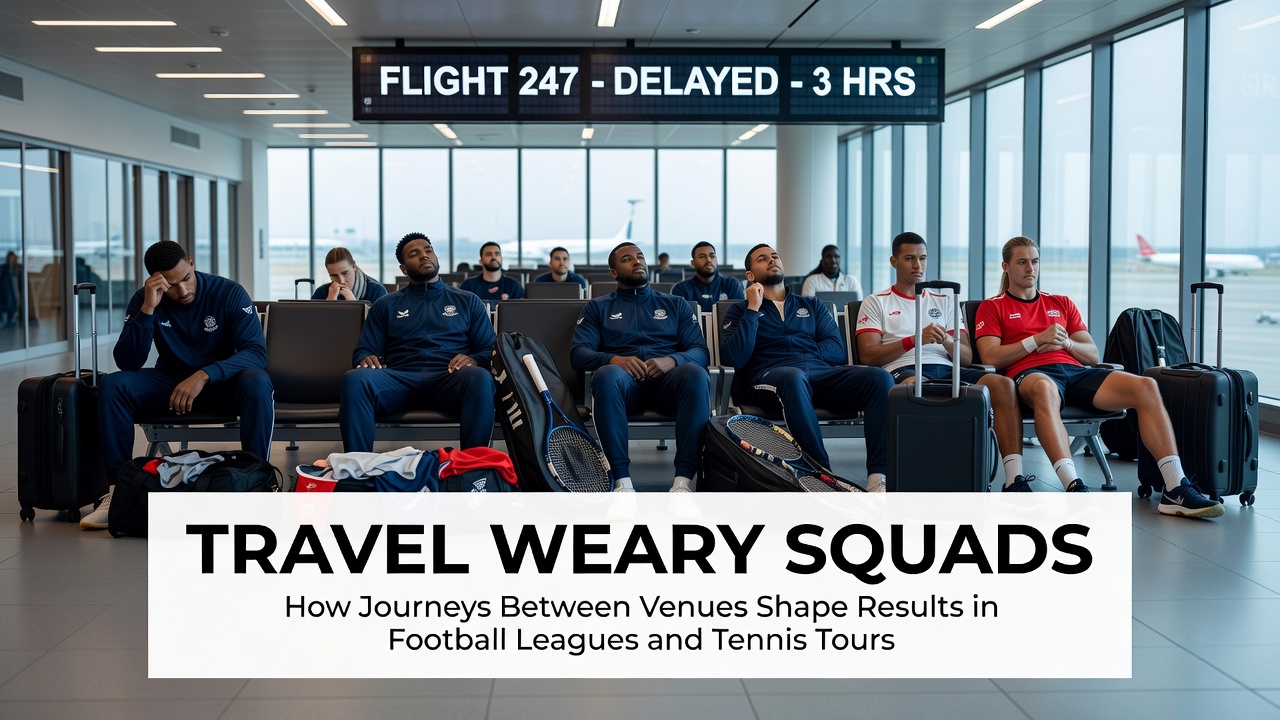
Travel Weary Squads: How Journeys Between Venues Shape Results in Football Leagues and Tennis Tours
Travel between venues creates measurable effects on player performance across major football leagues and professional tennis tours, where schedules often require rapid movement across time zones and distances. Research from the Australian Institute of Sport has documented how extended travel correlates with reduced recovery times, altered sleep patterns, and shifts in match outcomes during dense fixture periods. Data from European domestic competitions shows teams that cover greater cumulative distances in short windows tend to record lower win percentages when facing rested opponents, while similar patterns appear in ATP and WTA events where players navigate back-to-back tournaments on different continents.Patterns Observed in Football Leagues
League schedules in North America and Europe frequently place clubs in situations that demand same-week travel exceeding 1,000 kilometers, and studies compiled by researchers at the University of Groningen indicate these movements coincide with elevated rates of late-match concessions. Bundesliga records from the 2024-2025 campaign, for instance, reveal away sides arriving after flights longer than four hours secured fewer points per game than those completing shorter rail journeys, a difference that widened during winter months when daylight and weather added further variables. MLS data released through league performance reports demonstrates comparable trends, with western conference teams logging the highest annual mileage posting statistically lower goal differentials in the days immediately following cross-country trips.
Coaches and analysts track these variables through internal metrics that include heart-rate recovery and GPS workload totals, yet governing bodies continue to adjust calendars in response. FIFA's 2025 technical report on international windows highlighted how confederation qualifiers involving transatlantic flights produced elevated fatigue markers among participating squads, prompting calls for extended rest mandates ahead of subsequent club commitments. Observers note that fixture congestion in June 2026, when several European leagues conclude their seasons amid overlapping national team obligations, could intensify these pressures for clubs already navigating continental competitions.
Travel Effects Across Tennis Tours
Professional tennis circuits present a distinct set of challenges because individual players rather than squads manage their own logistics between events, and ATP performance analytics from 2023-2025 tournaments show measurable drops in first-serve percentages among competitors who crossed more than three time zones within 72 hours. The Australian Open and subsequent hard-court swing in North America create one of the most demanding sequences, with multiple studies published in the Journal of Sports Medicine linking jet-lag symptoms to reduced rally tolerance in best-of-five matches. WTA events in Asia during the same period reveal parallel findings, where players arriving from European clay-court stops recorded lower win rates in opening rounds compared with those who had remained on the same continent.
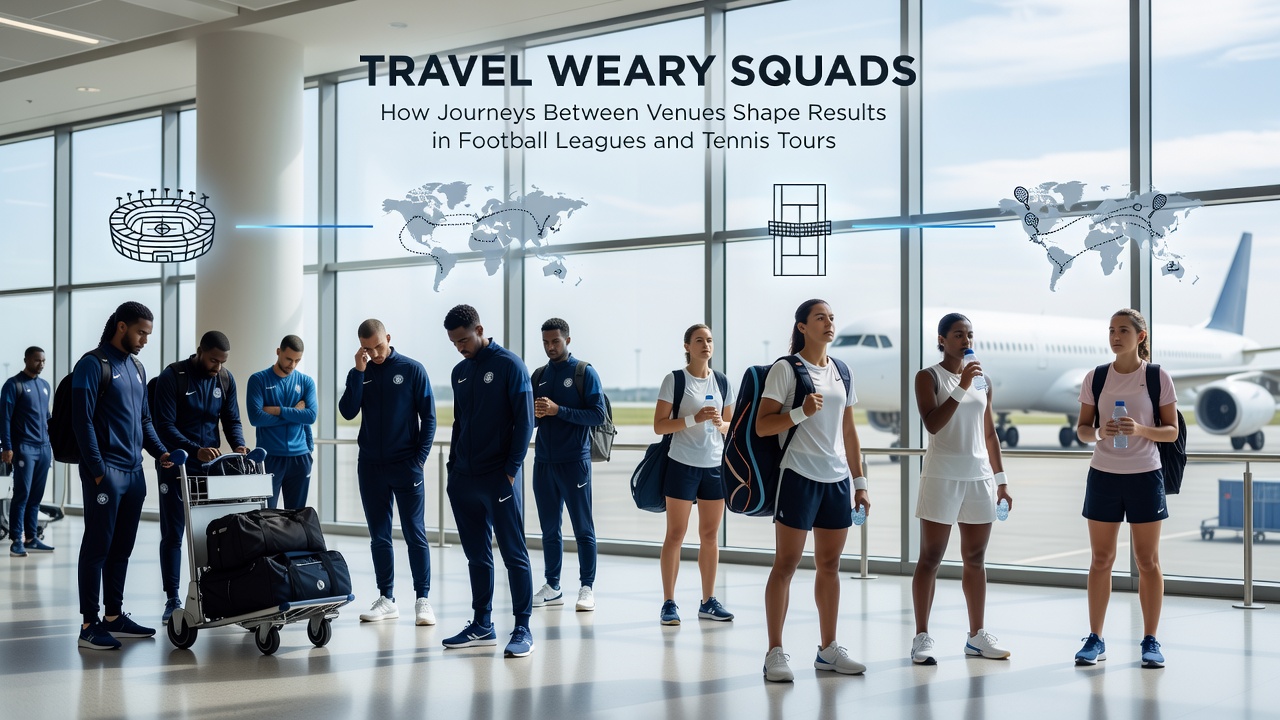
Grand Slam organizers have responded by expanding on-site recovery facilities and adjusting practice-court availability, while the International Tennis Federation has introduced optional acclimatization periods for junior and lower-ranked professionals. Tournament directors in cities such as Tokyo and Shanghai have cited internal data showing improved attendance and match quality when main-draw participants receive at least 48 hours between arrival and first-round play. These adjustments reflect broader industry recognition that cumulative travel load influences not only individual results but also the overall competitive balance of multi-week tours.
Research Findings and Scheduling Adjustments
Academic examinations of travel fatigue continue to expand, with a 2024 collaborative paper from Canadian and German universities analyzing GPS and sleep-monitor data from both football and tennis cohorts. The study identified consistent reductions in high-intensity efforts during the initial 30 minutes of matches played within 24 hours of long-haul arrival, a window that frequently determines early momentum in both codes. League administrators in Major League Soccer and the ATP have referenced such evidence when negotiating calendar changes, including the introduction of additional rest days during international breaks and the clustering of geographically proximate events.
National federations outside Europe have also contributed data, with Football Australia publishing post-season reviews that correlate domestic A-League travel distances with injury incidence rates during the latter stages of campaigns. These reports feed into ongoing discussions at confederation level about how future expansions, such as the 2026 FIFA World Cup host-nation logistics, might influence preparation and recovery protocols for clubs and national teams alike. Performance analysts emphasize that while technology now allows precise monitoring of individual responses, structural schedule design remains the primary lever available to mitigate cumulative fatigue across entire seasons or tours.
Conclusion
Travel demands embedded in modern football league calendars and tennis tour structures produce documented influences on recovery, workload distribution, and competitive outcomes, as evidenced by multiple longitudinal datasets and institutional reports. Governing organizations continue to refine rest requirements and event clustering in response to these findings, particularly as global schedules intensify ahead of major 2026 events. The interplay between distance, time-zone shifts, and performance metrics offers a continuing area of focus for sports-science teams and competition planners seeking to balance commercial imperatives with athlete welfare considerations.