Seasonal Synergies: How Global Sports Calendars Align to Shape Multi-Sport Selection Approaches
Alex Werner · Jul 2, 2026
Seasonal Synergies: How Global Sports Calendars Align to Shape Multi-Sport Selection Approaches
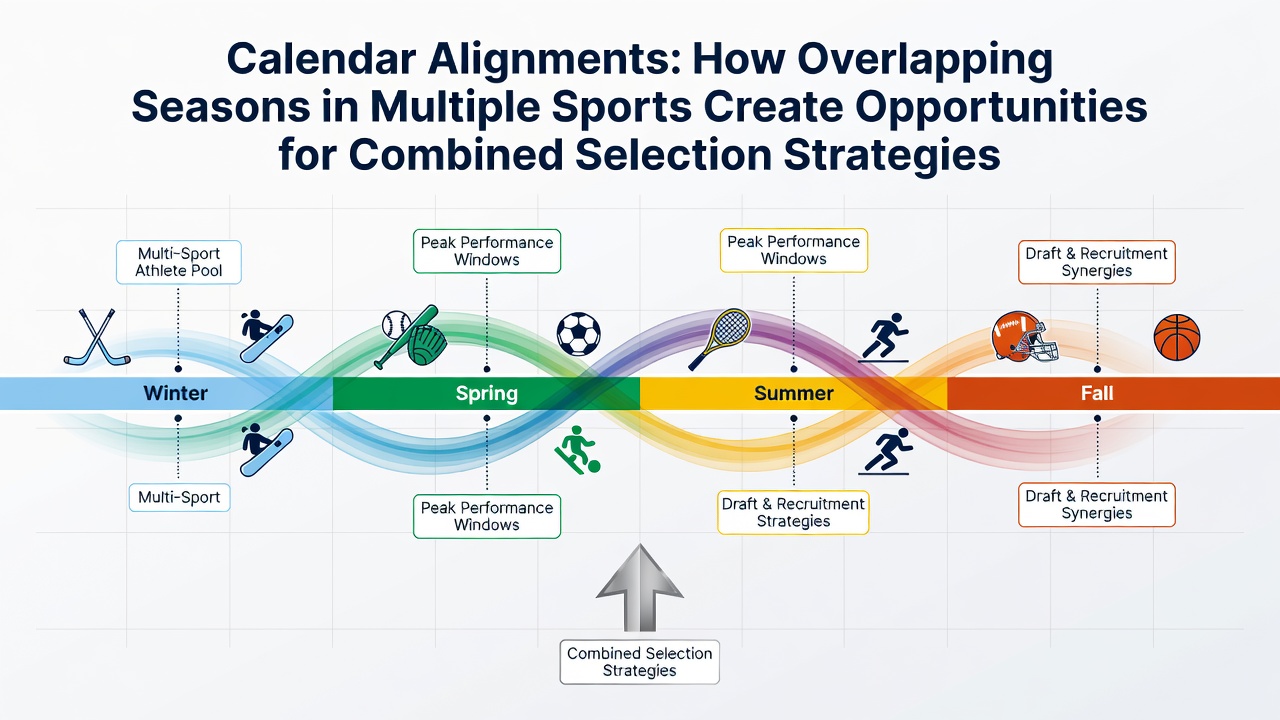
Calendar alignments across major sports create periods where multiple leagues operate simultaneously and this structure allows those who track schedules to coordinate selections from different events within single strategies. Data from sports governing bodies shows that peak activity windows often coincide during mid-year months when European football transitions into pre-season fixtures while tennis circuits reach their grass-court phase and North American basketball enters its off-season preparation cycles.
Understanding Overlap Patterns in Annual Schedules
European football seasons typically run from August through May yet pre-season tournaments and international friendlies fill July gaps whereas tennis grand slams stretch across the calendar with Wimbledon occupying early July and the US Open following in late August. Horse racing calendars from bodies like the Australian Racing Board extend year-round with major events clustered around spring and autumn periods that intersect with cricket seasons in several regions. Observers note that these patterns produce windows where basketball leagues such as the NBA have completed their playoffs by June leaving space for combined approaches that incorporate ongoing football markets alongside tennis matches and racing fixtures.
July 2026 presents one such alignment as Wimbledon concludes while several European football clubs begin their pre-season tours and Australian winter racing carnivals reach their midpoint. Those who monitor fixture lists from organizations including the International Tennis Federation and various national football associations can identify days where selections from three or four different sports become available simultaneously. Research from university sports management programs indicates that these calendar convergences occur predictably each year because governing bodies coordinate their seasons around weather patterns, television broadcast rights and athlete recovery requirements rather than attempting complete isolation from other sports.
Structural Factors That Enable Combined Approaches
League calendars rarely exist in isolation because television networks and stadium operators schedule events to maximize attendance and viewership across different demographics. When one sport enters a quiet period another often reaches its busiest phase creating continuous opportunities for those constructing multi-leg selections. For example the conclusion of the NBA Finals in June overlaps with the start of major European club tours and the height of the ATP tour's European swing. Data compiled by the NCAA shows that collegiate sports in North America follow similar patterns with football and basketball seasons offset yet still producing brief crossover periods during spring training and summer leagues.
Geographic distribution further influences these alignments because southern hemisphere seasons run opposite to northern ones. Australian football codes operate during the northern winter while European leagues pause for their own breaks. This inversion allows continuous activity across hemispheres and those who follow both regions gain access to selections on days when one calendar might otherwise appear sparse. Figures released by the European Professional Football Leagues association reveal that international breaks and club friendlies in July create additional layers of overlap with tennis and racing events scheduled in the same weeks.
Practical Implications for Schedule Tracking
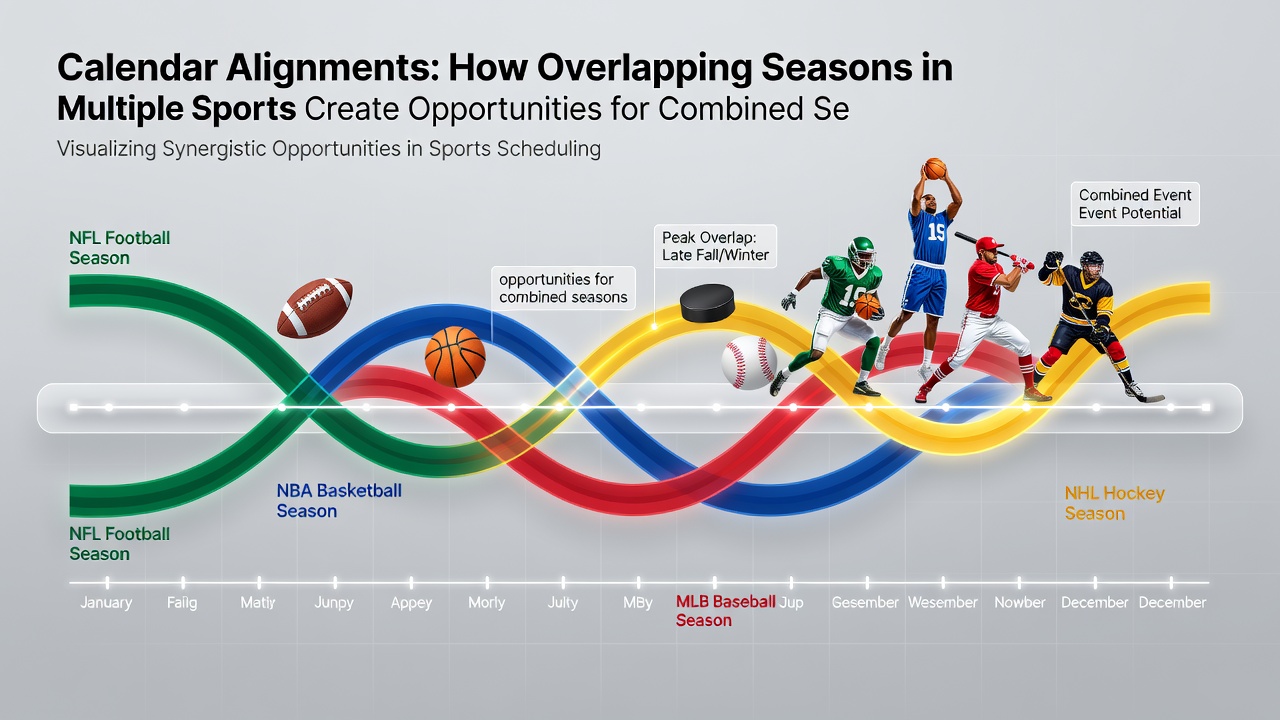
Accurate calendar monitoring requires access to official fixture releases from multiple federations because last-minute changes due to weather or broadcasting adjustments can shift availability. Those who maintain databases of start and end dates across leagues often build alerts for periods when three or more sports feature prominent events on the same day. Studies conducted by sports analytics departments at several European universities have documented that these high-density days cluster around major tournaments and holiday weekends when organizers deliberately schedule marquee fixtures to capture larger audiences.
July stands out in many annual reviews because it bridges the end of one set of competitions and the beginning of others. The conclusion of the Copa America or European Championship qualifiers in some years coincides with the middle of the tennis season and the launch of new horse racing festivals in both hemispheres. Government sports agencies in Canada and Australia publish annual calendars that illustrate these convergences allowing researchers to quantify how many days each year feature simultaneous activity across at least four major sports.
Longer-Term Calendar Trends
Adjustments to traditional seasons occur periodically as leagues expand or contract their schedules. Expansion of the FIFA Club World Cup and changes to the UEFA Champions League format have altered summer windows in recent cycles creating new overlap points with established tennis and racing events. Those who analyze historical data from the Asian Football Confederation note similar shifts when their domestic leagues adjust start dates to accommodate international tournaments. The result is an evolving map of alignment opportunities that changes gradually yet remains predictable enough for systematic tracking.
Weather and venue availability continue to anchor most calendars even as commercial considerations grow. Summer sports such as baseball in North America and cricket in England maintain fixed windows that intersect with the closing weeks of European football seasons and the opening rounds of North American basketball training camps. Observers tracking these patterns across multiple decades report that the fundamental structure of overlapping activity persists despite individual league modifications.
Conclusion
Calendar alignments across sports produce recurring periods when selections from multiple disciplines become available together. July 2026 follows the established pattern of pre-season football activity coinciding with tennis majors and racing festivals while other regions maintain their own seasonal rhythms. Organizations that publish official schedules provide the raw data needed to identify these windows and researchers continue to document how such overlaps have developed over time. The structure remains consistent enough that systematic monitoring yields reliable information about when combined approaches can draw from several sports simultaneously.