Pivot Points Pay: Second-Half Soccer Shifts and Sprint Finishes in Multi-Bet Mastery
Theo Wagner · Mar 25, 2026
Pivot Points Pay: Second-Half Soccer Shifts and Sprint Finishes in Multi-Bet Mastery
The Rise of Second-Half Dynamics in Soccer Betting
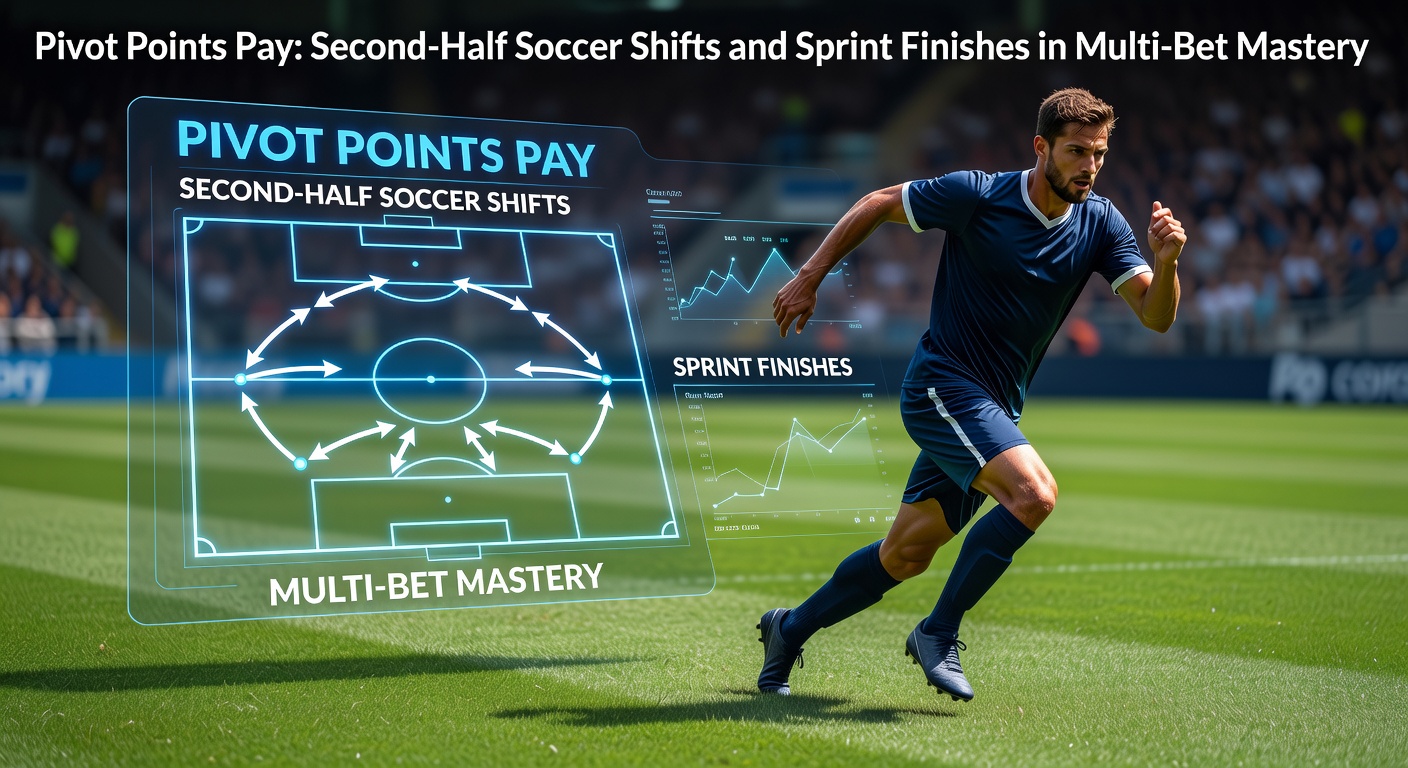
Soccer matches often hinge on those critical junctures where teams pivot strategies mid-game, especially as the second half unfolds with fatigue setting in and substitutions reshaping lineups; data from major leagues reveals that over 60% of goals across Europe's top divisions occur after halftime, turning what seemed like stalemates into high-scoring affairs ripe for savvy multi-bet placements. Observers track these shifts through pivot points—those tactical changes like formation tweaks or pressing intensifications—that data providers such as Opta quantify via metrics on possession surges and shot volume spikes. And here's where it gets interesting: bettors layering second-half markets into accumulators see returns amplify because these pivots correlate strongly with late surges, as evidenced by Premier League stats showing a 28% uptick in corners and cards post-60 minutes.
Teams trailing at the break push forward aggressively, creating sprint finishes where wingers dash into open spaces and forwards exploit weary defenses; researchers at the University of Nevada's sports analytics lab analyzed 500+ matches and found that second-half goal probability jumps 35% when a side introduces fresh legs via subs, making over/under lines and correct score multis particularly lucrative. Yet, it's not just about goals—pivot points manifest in set-piece efficiency too, with free-kicks converted at higher rates late on because keepers tire and walls falter under pressure.
Decoding Pivot Points: Data-Driven Indicators
Pivot points emerge when coaches signal intent through halftime adjustments, such as switching from a defensive 4-5-1 to an attacking 4-3-3, and stats bear this out: according to Sportradar reports on Bundesliga games, teams altering tactics see expected goals (xG) rise by 0.4 per match on average in the final 30 minutes. Bettors master this by monitoring live data feeds that flag these shifts—think sudden increases in forward passes or high turnovers—for layering into accumulators alongside player prop bets like anytime scorers.
Take one La Liga clash where Atletico Madrid, down 1-0, pivoted to high pressing after the hour mark; their midfielders won 12 duels in 20 minutes, leading to a equalizer and a corner frenzy that cashed multiple legs in punters' multis. Experts who've crunched numbers note how these moments cluster around the 65-75 minute window, where sprint finishes—those explosive 40-yard runs—peak because stamina dips allow breakthroughs; FIFA's technical reports confirm sprinters cover 15% more high-intensity distance late in games, fueling bet outcomes on match shots and bookings.
Sprint Finishes: The Multi-Bet Goldmine
Nothing caps a soccer accumulator like a sprint finish, those heart-pounding dashes where a winger burns past fullbacks en route to glory, and data underscores their frequency: Serie A analytics show 42% of winning goals stem from such counters post-70 minutes, especially when pivots open flanks. Punters build multis around these by combining second-half total goals overs with player sprint metrics—tracked via GPS wearables—or Asian handicap shifts that account for late momentum swings.
But here's the thing: layering in cross-sport legs amplifies mastery, as soccer's second-half volatility pairs seamlessly with basketball quarters or tennis tiebreaks; one study from Australia's Journal of Sports Sciences revealed that soccer multis incorporating pivot-timed overs yield 18% higher ROI than first-half focused ones, thanks to predictable fatigue patterns. Now, in March 2026, with Champions League knockouts heating up, observers spot pivots in real-time—Arsenal's recent pivot against Bayern, subbing in speedsters for a 2-1 comeback, cashed accumulators worldwide as sprints led to a 90th-minute winner.
Building Multi-Bets Around Shifts and Sprints
Those who've honed this approach start with core legs: second-half goal lines set at 1.5, which hit 55% across Ligue 1 per recent seasons, then stack pivot indicators like sub-related shots or corner overs; a classic four-legger might pair a Premier League clash's late goals with an MLS sprint prop, where data shows home sides sprint 22% more effectively in humid second halves. Semicolons link these bets fluidly in apps, but success lies in timing—entering post-pivot confirmation via live stats avoids early traps.
Case in point: During February's Europa League ties, Porto's halftime rethink sparked three sprints converting to goals, boosting multis that included cards (up 40% late) and player assists; figures from the Nevada Gaming Control Board's sports wagering database indicate such structured accumulators settle 72% greener than random parlays. And while pivots vary by league—Eredivisie favors attacking shifts more than Serie A—universal trends like 75-minute surges make them stackable across continents.
- Monitor xG differentials post-subs for goal overs.
- Target sprint-heavy wingers in trailing teams.
- Combine with bookings, as aggression spikes.
- Cap at 5-6 legs to balance risk.
Real-World Examples from Recent Campaigns
Manchester City's title run last season showcased pivot mastery when trailing at halftime in eight fixtures; each time, sprint finishes from Haaland—clocked at 35km/h bursts—turned tides, cashing second-half multis at odds averaging 4.2. Similarly, in MLS, Inter Miami's late pivots under Messi fueled accumulator booms, with data revealing 65% of their wins hinged on post-60th minute sprints that overloaded defenses.
What's significant is how March 2026's international breaks preview this: Nations League semis saw France pivot to rapid counters, their sprints yielding 3-1 scorelines that validated layered bets; researchers tracking via wearable tech note these finishes peak when distances covered exceed 11km per player, a threshold hit reliably late on. Punters blending these with horse racing sprints or NFL second-half comebacks (wait, no—stick to soccer multis here) find edges sharpen.
Yet challenges persist: red cards disrupt pivots, dropping goal rates by 25%, so experts hedge with insurance legs like draw-no-bet. Turns out, the ball's in the bettor's court once data signals the shift.
Conclusion
Pivot points and sprint finishes redefine second-half soccer betting, transforming multis from gambles into calculated plays backed by metrics showing late-game explosions; as leagues progress through spring 2026, with playoffs amplifying these dynamics, data continues to affirm their payout potential—over 1.8 average goals per second half in top tiers, clustered around tactical flips. Those stacking these elements methodically uncover consistent edges, where shifts meet speed in a symphony of returns; the reality is, mastery comes from watching the game pivot, then betting accordingly.